

River Hall Landscape Services
Sign up now for autumn services and enjoy a vibrant, worry-free yard all season long!
Get a Free QuoteLandscape Services Tailored for River Hall, Florida
Expert Lawn Care for River Hall’s Unique Environment
River Hall, Florida’s lush neighborhoods—like Hampton Lakes and Cascades—are shaped by a subtropical climate, frequent summer rains, and the gentle slopes near the Caloosahatchee River. Homeowners here face challenges such as rapid grass growth during the wet season, drought stress in late summer, and soil erosion on properties bordering natural preserves or golf courses. Shaded lots from mature oaks and palms in areas like River Hall Country Club require specialized turf management to prevent thinning and moss buildup. Our services are designed to address these local needs, ensuring your landscape thrives year-round. For more information about the community and its natural features, visit the official River Hall website.
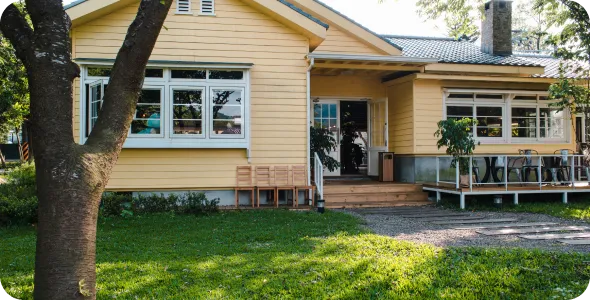
Our River Hall Landscaping & Yard Care Services
River Hall Gardening Services
River Hall Yard Clean Up
Why Choose River Hall Landscape Services

River Hall Homeowners Trust Us
-
Expert Lawn Maintenance
-
Reliable Irrigation Solutions
-
Comprehensive Weed Control
-
Competitive Pricing
-
Professional and Courteous Team
-
Satisfaction Guarantee
Contact Your Local River Hall DPW or Parks Department for Green Waste Info
River Hall is an unincorporated community within Lee County, Florida, governed by the River Hall Community Development District (CDD) and served by Lee County departments. Year-round yard waste collection is available through Lee County Solid Waste, and residents should follow these guidelines for proper green waste disposal:
- Curbside collection: Grass clippings, leaves, and organic debris must be placed curbside in biodegradable bags or bundled branches no longer than four feet
- Volume limits: Bulk yard waste exceeding standard pickup volumes requires scheduling a special collection
- Prohibited disposal: Lawn waste must never be placed in storm drains, streets, or regular household trash to prevent stormwater contamination
- Commercial operators: Landscapers serving River Hall must register with Lee County and follow commercial disposal fee structures for treated clippings and pesticide-contaminated materials
Composting resources are available through Lee County's waste management facilities, where residents can drop off brush and bulk organic materials. Free compost may be available to residents with valid identification.
Lee County Public Works
P.O. Box 398, Fort Myers, FL 33902
Phone: (239) 533-2111
Official Website: Lee County Public Works
River Hall Community Development District
3501 Quadrangle Boulevard, Suite 270, Orlando, FL 32817
Phone: (407) 723-5900
Official Website: River Hall Community Development District
Lawn Care Regulations & Permits in River Hall, FL
Florida's fertilizer regulations are among the most comprehensive in the nation. Lee County enforces a summer fertilizer blackout period from June 1 through September 30, during which nitrogen and phosphorus fertilizers may not be applied. Additional state-level requirements include:
- Phosphorus ban: Phosphorus application is prohibited unless a soil test demonstrates a deficiency
- Buffer zones: A minimum 10-foot no-fertilizer zone is required adjacent to any water body, with no spreader deflection allowed within that area
- Nitrogen limits: No more than 2 pounds of nitrogen per 1,000 square feet per year, with at least 50% in slow-release form
- Pesticide licensing: Commercial applicators must hold a valid license through the Florida Department of Agriculture and Consumer Services (FDACS)
Local water use restrictions in Lee County follow the South Florida Water Management District's year-round rules. Irrigation is limited to two days per week based on odd/even addresses, and watering is prohibited between 10:00 AM and 4:00 PM. Lee County noise ordinances restrict power equipment operation to between 7:00 AM and 9:00 PM on weekdays and 8:00 AM and 9:00 PM on weekends.
Lee County Zoning Department
1500 Monroe Street, Fort Myers, FL 33901
Phone: (239) 533-8585
Official Website: Lee County Zoning
What Streets and Subdivisions Do We Serve in River Hall, FL?
River Hall is a master-planned community in eastern Lee County near the Caloosahatchee River. The following streets and subdivisions each present distinct lawn care considerations:
- Hampton Lakes subdivision — Homes surrounding the community lakes sit on Boca Raton fine sand soils with high water tables. St. Augustinegrass dominates, requiring careful irrigation management and chinch bug monitoring. HOA covenants mandate maintained turf edges along lake banks.
- River Hall Boulevard corridor — Properties along this main boulevard near the community entrance feature full-sun exposure and Immokalee fine sand soils prone to nutrient leaching. Bahiagrass and Floratam St. Augustine are common, and the CDD maintains strict landscape appearance standards.
- Homes along Riverstone Drive near the golf course — These lots border the River Hall golf course, where sandy soils and proximity to managed turf areas increase pest migration risk, particularly for armyworms and mole crickets. Shade from mature live oaks requires shade-tolerant cultivars like Palmetto St. Augustine.
- Savona Bay subdivision — Waterfront properties along preserve edges require 25-foot fertilizer-free buffer zones under Lee County ordinance. Soils are predominantly Oldsmar fine sand with seasonal saturation, demanding careful drainage planning and fungicide programs for large patch disease.
- Meadows at River Hall — Newer construction with compacted fill soils and limited tree canopy creates full-sun, heat-stressed conditions ideal for Bermudagrass or drought-tolerant Zoysiagrass. Lot sizes average one-quarter acre, and HOA rules require weekly mowing during the growing season.
- Homes near the River Hall Clubhouse and amenity center — Properties adjacent to the community pool and recreation areas along River Hall Boulevard experience heavy foot traffic on turf edges. Sandy loam soils here support healthy root development, but irrigation runoff from adjacent common areas can promote fungal issues.
- Preserve-adjacent lots along the eastern boundary — These properties border conservation wetlands, requiring compliance with Lee County Natural Resources buffer regulations. Native plantings and Florida-friendly landscaping are encouraged to reduce chemical inputs near sensitive habitats.
Partnering With River Hall's Conservation/Environmental Department for Sustainable Landscaping
Lee County Natural Resources oversees environmental compliance for River Hall properties, particularly those adjacent to wetlands and conservation preserves. Under Florida's Environmental Resource Permit program, lawn renovation projects near water bodies may require erosion control measures and sediment barriers.
Sustainable landscaping practices recommended for River Hall include:
- Native plant integration: Coontie, muhly grass, and Simpson's stopper support local pollinators and reduce irrigation demand
- Rain garden installation: Captures stormwater runoff and filters nutrients before they reach the Caloosahatchee watershed
- Organic lawn care: Compost topdressing and biological pest controls reduce synthetic chemical inputs
- Proper mulching: Two to three inches of pine bark or melaleuca mulch retains moisture in sandy soils
Coordination with Lee County's stormwater management program under the federal Clean Water Act (EPA) MS4 permit ensures that fertilizer and pesticide applications do not contribute to nutrient loading in local waterways.
Lee County Natural Resources
1500 Monroe Street, Fort Myers, FL 33901
Phone: (239) 533-8100
Official Website: Lee County Natural Resources
Top River Hall Lawn Problems (and How We Solve Them)
River Hall's USDA Hardiness Zone 10a climate and sandy soils create specific turf challenges:
- Chinch bug infestations — Southern chinch bugs devastate St. Augustinegrass during hot, dry periods. Integrated pest management through proper irrigation and resistant cultivars like Floratam reduces chemical dependency.
- Large patch disease — Caused by Rhizoctonia solani, this fungus thrives in warm, humid conditions during fall and spring transitions. Reducing nitrogen applications and improving air circulation are primary controls.
- Nematode damage — Sandy soils harbor root-knot and sting nematodes that weaken turf root systems. Soil testing through the University of Florida IFAS Extension Nematode Assay Laboratory confirms infestations.
- Drought stress and heat damage — Extended dry periods between summer rains cause wilting and dormancy. Deep, infrequent irrigation encourages deeper root growth.
- Take-all root rot — Common in St. Augustinegrass on alkaline or overlimed soils, this disease requires pH management and fungicide applications during early infection stages.
- Fire ant colonies — Imported red fire ants build mounds throughout turf areas, creating safety hazards and damaging mowing equipment. Broadcast bait applications in spring and fall provide effective colony suppression.
Soil testing through the UF/IFAS Extension Soil Testing Laboratory provides pH, nutrient, and organic matter analysis essential for targeted treatment programs. Results are available through the USDA Web Soil Survey for baseline soil series data.
What Makes Lawns in River Hall Different From the Rest of Florida?
River Hall's location in eastern Lee County along the Caloosahatchee River corridor creates horticultural conditions distinct from other Florida communities:
- Soil composition: Predominantly Boca Raton, Immokalee, and Oldsmar fine sands with naturally low pH (5.0–6.5) and rapid nutrient leaching, unlike the muck soils of South Florida or the clay-based soils of North Florida
- Microclimate: Inland positioning away from coastal breezes results in higher summer temperatures than Fort Myers Beach or Sanibel, intensifying heat stress on cool-season ornamentals
- Growing season: A 365-day growing season with frost risk only during rare cold events (average last frost January 20) allows year-round turf management
- Hurricane exposure: Located in a hurricane-prone zone, River Hall lawns face periodic storm debris, flooding, and salt spray damage from tropical systems
- Water table: Seasonal high water tables in low-lying areas create saturated root zones requiring careful species selection and drainage management
The USDA Plant Hardiness Zone Map confirms River Hall's Zone 10a designation, supporting warm-season grasses exclusively.
Supporting Local Events in River Hall With Lawn Expertise
River Hall's community amenity center and recreational facilities host events requiring professional turf management. Coordination with the CDD and Lee County Parks and Recreation supports athletic field preparation for youth sports leagues, community gathering lawn maintenance, and seasonal festival site preparation near the clubhouse.
- Storm cleanup: Hurricane and tropical storm debris removal coordinated with Lee County Emergency Management
- Arbor Day and Earth Day: Educational workshops on Florida-friendly landscaping through UF/IFAS Lee County Extension Master Gardener volunteers
- Community beautification: Volunteer coordination for common area plantings and preserve restoration projects
River Hall Community Amenities
3201 River Hall Parkway, Alva, FL 33920
Phone: (239) 694-1851
Official Website: River Hall Community Amenities
Eco-Friendly Landscaping Backed by River Hall's Green Initiatives
Lee County's sustainability programs support environmentally responsible lawn care throughout River Hall:
- Electric equipment adoption: Battery-powered mowers and trimmers reduce emissions and noise pollution below county ordinance thresholds
- Water conservation: Smart irrigation controllers with rain sensors comply with South Florida Water Management District restrictions and reduce consumption by 20–40%
- Grasscycling: Leaving clippings on the lawn returns nitrogen to sandy soils, reducing fertilizer needs by up to 25%
- Pollinator corridors: Planting native wildflower borders with blanket flower, tickseed, and beach sunflower supports declining pollinator populations
Lee County Water Quality
1500 Monroe Street, Fort Myers, FL 33901
Phone: (239) 533-8100
Official Website: Lee County Water Quality
Coordination with the Florida Department of Agriculture and Consumer Services ensures all pesticide applications meet state licensing and reporting requirements under Chapter 487, Florida Statutes.
Proudly Serving These Streets and Areas in River Hall
River Hall's master-planned layout encompasses the following service areas, organized by location within the community:
Central River Hall
- River Hall Boulevard, River Hall Parkway near the main gatehouse
- Clubhouse Drive and amenity center surroundings
- Hampton Lakes Drive and lakefront properties
Northern River Hall
- Riverstone Drive near the golf course
- Savona Bay Drive along preserve edges
- Homes adjacent to the northern conservation corridor
Southern and Eastern River Hall
- Meadows subdivision streets near Alva community
- Preserve-adjacent lots along the eastern wetland boundary
- Properties along State Road 80 corridor
Notable Landmarks for Orientation
- River Hall Golf Club and surrounding residential streets
- Community pool and recreation center along River Hall Parkway
- Lake and preserve areas throughout the development
- Proximity to the Caloosahatchee River and Hickey Creek Mitigation Park
Properties within conservation buffer zones or CDD-managed common areas may have additional landscape maintenance requirements. Residents should consult the Lee County Planning Department for land development regulations affecting their specific parcels.